

An AI agent is software that reads a request, decides what to do, acts in the systems it is connected to and tells the customer the result, with a person able to take over at any point. The examples below show where agents work in customer-facing business today, what each one needs to run, and what real companies reported. Results come from Volty customers, with the source of each figure given in the linked case study.
What makes something an agent
Three things separate an agent from a script. It reads language that nobody planned for. It looks up the answer in your information rather than from a list typed in advance. And it can take an action, such as writing a record or booking a slot. If a tool only matches keywords to canned replies, it is a chatbot. The AI agent vs chatbot guide covers the difference in detail.
1. First-line support on WhatsApp
The agent answers the questions that make up most of a support inbox: prices, hours, delivery, policy, how to prepare for a visit. It draws on your website and documents, says when it does not know, and hands the rest to a person.
Example: Happy Fish, a swim school with outlets in Singapore and Malaysia, replaced a two-hour wait for a reply from an outsourced overseas team with instant answers on WhatsApp and the web form. About 100 queries a day used to take more than 1,800 reply messages, and staff can now handle up to 300 inquiries a day.
What it needs: your own content as the source, a handover rule and a week of review.

2. Lead qualification for a custom product
For businesses that sell made-to-order items, an agent asks the questions a salesperson would ask and records the answers before a human steps in.
Example: Cake Inspiration, a custom cake studio, gets 50 to 60 leads a day. Volty qualifies each lead (name, number, birthday, group size, theme) before a designer takes over. The case study reports 75% fewer lost leads, a median reply of 5 seconds against 9 hours, and 91% of conversations resolved by Volty without a human across 800+ messages in one week.
What it needs: a short list of qualifying fields and a rule for who gets the finished lead.

3. Appointment booking in a clinic system
The agent offers open slots from the booking system, books the one the patient picks and writes the result back. It can greet returning patients by name.
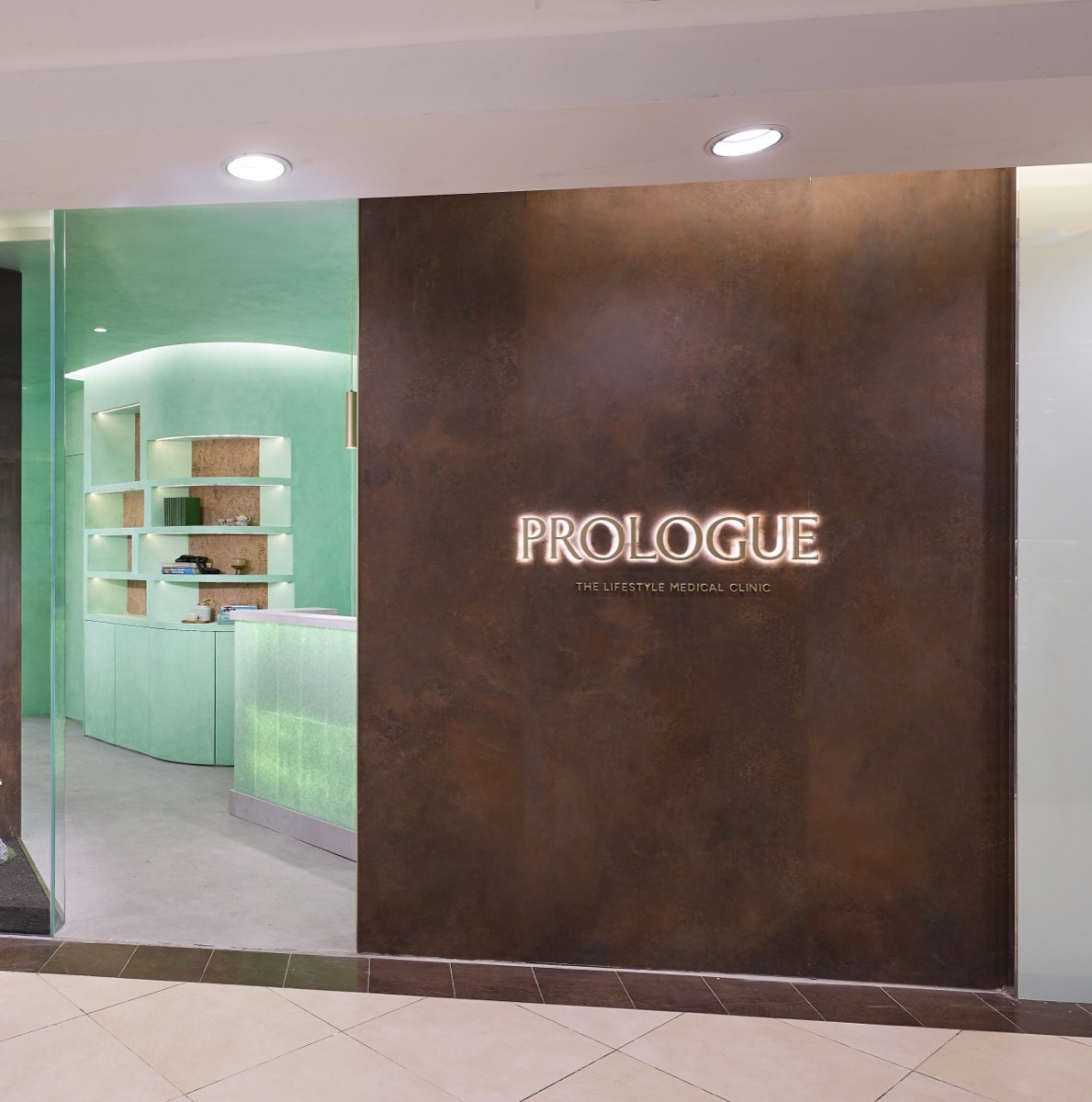
Example: Prologue Clinic, part of SL Aesthetic Group, has Volty answer every inquiry and book straight into Plato, its clinic system, and reports that 70% of Volty replies lead to conversion. Staff time on inquiries fell from about 3 hours a day to 30 minutes per person, and enquiries arriving after hours, about 30% of the total, now get instant replies.
What it needs: a connection to the booking system. Volty integrates with Plato Medical and Google Calendar, among others. The WhatsApp appointment booking guide covers the setup.
4. A patient agent connected to records
A step beyond booking is an agent that works from the patient or customer record, so it answers questions about their own history.
Example: Cutis Medical Laser Clinics connected Volty to its patient records in Plato Medical. The clinic reports an average first reply of 24 seconds against a 7.6-minute industry standard, 90% of after-hours messages answered within 15 minutes, and about 100% of patient messages sent as the agent wrote them: about half sent automatically and half approved by staff in one click. Four WhatsApp Business devices became one connected system.
What it needs: a system connection, a staff approval step for sensitive replies and a rule on what the agent may say about treatments.
5. Quotations from a customer's specification
For B2B sellers, an agent asks clarifying questions until the specification is complete, then passes it to sales or drafts the quote from a price list.
Example: Yat Guan, a pallet and crate maker founded in 1931, uses Volty to capture complex packaging specs in English, Mandarin and Malay, around the clock. Ryan Lim, Managing Director, Yat Guan, said: "Inquiry to quotation now only takes one working day - 60% faster than before. Operating at over 95% accuracy in English, Mandarin, and Malay."
What it needs: the questions your estimators ask, example images for hard fields and a price list.
6. Order confirmations and customer data
An agent can also work in the background, tidying customer records and sending confirmations that carry the right details.
Example: Mister Mobile, a smartphone retail and repair chain with 20 outlets, brought customers and orders from three systems into one CRM, with more than 585,000 customer records and 1.05 million orders consolidated. A WhatsApp confirmation carries a QR code that staff scan at the outlet to pull up the reservation, and Mister Mobile reports about 120 man-hours of manual work saved a day (CNA, 10 Nov 2026).
What it needs: clean customer and order data, plus rules for which segments get which messages.
7. Team-built automations
Agents also build tools for staff. Ask for a dashboard or a standing rule and the agent writes it as a mini app or an automation that waits for an admin's approval.
Example: Sgcarmart Connect, a five-person team with no coding background, launched 16+ apps and automations in days after switching from a trigger-based chat flow tool. Man Hong, Sgcarmart Connect, said: "We can have much more precise automation, and at the same time, we can also have an overview of all the dashboards, specifically for my team, when we have no engineering or coding background."
8. Finance email sorting
An agent reads a shared finance mailbox, recognises invoices and payment advice, labels them and treats each the way you instructed. Volty's email agent reads PDFs, including scanned ones, Word documents, slides and spreadsheets, and answers from what is inside. The finance AP and AR page describes the workflow. No customer story is published for this one yet, so treat it as a capability to test on a small mailbox first.
9. After-hours coverage
Many examples above share a pattern: a large part of the value comes from the hours when nobody is at a desk. Prologue Clinic's after-hours share is 30% of enquiries. Cutis answered 90% of after-hours messages within 15 minutes. A single rule, answer at night and draft during office hours, is a good first agent for any business.
What these examples have in common
One clear source of truth, such as a price list, a booking system or a customer record.
A written rule for when the agent hands over.
A person able to approve sensitive actions.
Weekly review of conversations at first, with corrections that persist.
A measurable outcome picked before launch.
Choosing your first agent
List your five most frequent customer messages and count them for a week.
Pick the one with a clear answer in your documents or systems.
Decide what the agent must hand over.
Run it in draft mode, then automatic replies for the safe topics.
Volty is built for this order of work: connect a channel, give it your information, set per-inbox reply modes and let staff teach it by correcting replies. See the WhatsApp AI page for the agent, or all case studies for more examples.
Frequently asked questions
What is an example of an AI agent?
An agent on a clinic's WhatsApp number that reads a patient's message, checks open slots in the clinic system, books the appointment and sends a reminder is a typical example. It perceives a request, decides what to do, acts in a connected system and reports back, and a person can take over at any point.
How is an AI agent different from a chatbot?
A chatbot follows a script or a fixed list of answers. An agent writes its replies from your own information and can act, such as booking, updating a record or asking a colleague a question. Agents suit open-ended requests, while chatbots suit short fixed paths.
Which business tasks suit an AI agent best?
Tasks with high volume, repeated questions and a clear source of truth: first replies, after-hours enquiries, lead qualification, appointment booking, order status and routing finance email. Tasks that need judgment, empathy or authority, such as complaints and refunds, work better with a person approving.
How do I know if an AI agent is working?
Measure first-reply time, the share of conversations resolved without a person, how many hand-offs staff accept as necessary, and the business outcome, such as bookings or quotes sent. Compare against the month before launch, and read a sample of conversations each week.
Do AI agents replace staff?
No. Businesses using Volty's agents report keeping their teams and moving staff time to other work. Cutis Medical Laser Clinics reports the same team size, with staff time moved to patient conversations. Happy Fish reports that staff can now handle 300 inquiries a day, up from 100, and Yong Kang TCM Clinic absorbed 60% growth in chat traffic with no new headcount.