

A WhatsApp blast sends one message to many customers at once, and each person receives it as a private chat. The safe way to blast is through the WhatsApp Business API: you send a template that Meta has approved, to customers who opted in, using software from an official provider. Unofficial blasters that send from an ordinary WhatsApp account are the main reason business numbers get banned.
"Blast" is the word most businesses in Malaysia, Singapore and Indonesia use for what the rest of the world calls a WhatsApp broadcast or bulk message. This guide covers the official and unofficial routes, what a blast costs in Meta's fees, and seven official tools you can blast from. We make Volty, which is one of the seven. Descriptions of the others come from each vendor's own site, read on 19 November 2026.
Three ways to blast on WhatsApp
| Route | Who it reaches | Allowed by WhatsApp | What goes wrong |
|---|---|---|---|
| Broadcast list in the WhatsApp Business app | Up to 256 contacts per list, and only those who saved your number | Yes | Contacts who never saved your number get nothing, and there are no reports |
| Unofficial blaster, browser extension or QR-code sender | Any list you paste in | No | Reports and blocks pile up, the account is restricted and the number is banned |
| Software on the WhatsApp Business API | Opted-in customers, up to your messaging limit | Yes | Meta charges per message, and a template is paused if many people block it |
The free app works for a small shop messaging regulars. Past a few hundred contacts, or once you want to know who read the message, you need the API.
Why unofficial blasters get numbers banned
Unofficial blasting tools log in to a normal WhatsApp or WhatsApp Business app account, usually by scanning a QR code, and then script it to send the same message down a list. They are cheap and need no approval, which is why they are popular. WhatsApp's terms of service rule out bulk messaging and auto-messaging from these accounts, and its systems watch for exactly the pattern a blaster produces: many identical messages, sent fast, to people who never saved the number.
The usual sequence is a wave of reports, a temporary restriction, then a permanent ban. The number on your shopfront, your receipts and your Google listing stops working, and every chat history on it goes with it. Our guide to a banned WhatsApp Business account covers the appeal, which does not always succeed. Changing to an official tool costs less than losing the number.
What an official blast costs
On the API, Meta bills each delivered template message by its category and the recipient's country. Promotions are marketing messages. Reminders, order updates and payment notices are usually utility messages, which cost less. Under Meta's rate card effective 1 October 2026:
| Recipient's country | Marketing message | Utility message | Blast to 3,000 people (marketing) |
|---|---|---|---|
| Malaysia | US$0.0860 | US$0.0140 | US$258.00 |
| Singapore | US$0.0732 | US$0.0160 | US$219.60 |
| United States and Canada | US$0.0250 | US$0.0034 | US$75.00 |
The same 3,000 Malaysian customers sent a utility reminder instead cost 3,000 x US$0.0140 = US$42.00. Your software subscription is a separate bill, and some providers add their own fee per message, so ask for the all-in cost of 10,000 marketing messages to your main country before you choose. Meta may change rates at the start of a quarter. The WhatsApp Business API pricing guide lists every market, and the pricing calculator prices a send for your own mix of countries.
Seven official WhatsApp blast tools
All seven send through the WhatsApp Business API, so each blast uses approved templates and opted-in contacts. They differ in what sits around the sending: an inbox for the replies, an AI agent, a CRM, or nothing at all.
| Tool | Built around | Suits | Pricing |
|---|---|---|---|
| Volty | Helpdesk with an AI agent | Teams who want blast replies answered by an AI agent in the same inbox | Volty Plus US$159 a month on the US list; prices differ by country |
| respond.io | Conversation inbox across channels | Teams handling chat on several channels with marketing campaigns on top | Published on respond.io's pricing page |
| SleekFlow | Omnichannel inbox and broadcast campaigns | Retail and social commerce teams running segmented campaigns | Published on SleekFlow's pricing page |
| Wati | WhatsApp-first team inbox | Small teams whose customers are mostly on WhatsApp | Published on Wati's pricing page |
| AiSensy | WhatsApp marketing | Campaign-led marketing teams that blast offers often | Published on AiSensy's pricing page |
| Omnichat | Social commerce messaging | Retail brands selling across chat apps and stores | Published on Omnichat's pricing page |
| Twilio | Developer API | Companies with developers who want to build their own sender | Published on Twilio's pricing page |
1. Volty
Volty is an AI helpdesk for WhatsApp, Instagram, Messenger, web chat and email, and blasts are one part of it. You pick an approved template, then the audience: up to 20 segments, up to 5,000 contacts chosen by hand, or a spreadsheet of up to 200,000 rows. A pre-send check leaves out opted-out and blocked contacts and shows how many it skipped, a test goes to your own phone first, and you send now or schedule it. Every blast carries an opt-out button.
The difference shows after you press send. Replies land in the shared inbox as normal conversations, where Volty's AI agent answers the routine ones from your own information and hands the rest to staff. Results show sent, delivered, read, replied and failed for each message, so you can retry failures and send a follow-up to people who read but did not reply. Volty adds no fee per WhatsApp message: Meta bills its fees to your own WhatsApp Business account. Read more on Volty broadcasts.
2. respond.io
respond.io is a customer conversation platform that brings WhatsApp and other chat channels into one inbox, with AI agents and workflows. Its pricing page pitches one plan at growth-oriented teams who want to track marketing campaign engagement. It suits a team whose blasts are one part of a larger chat operation across several channels. See Volty vs respond.io.
3. SleekFlow
SleekFlow describes itself as a place to centralise customer messages, emails and calls in one inbox, segment lists, run personalised broadcast campaigns and track the return. Its pricing page notes that broadcast message fees are charged separately and vary by template, country and volume. It suits retail and social commerce teams who run frequent segmented campaigns. See Volty vs SleekFlow.
4. Wati
Wati is built around WhatsApp, with a team inbox, chatbots and broadcasts on the official API. Its pricing page lists broadcast allowances by plan, ranging from up to 15,000 broadcasts to unlimited broadcasts with smart retries. It suits small teams whose customers talk to them almost entirely on WhatsApp. See Volty vs Wati.
5. AiSensy
AiSensy calls itself official WhatsApp marketing software and states that it is an official WhatsApp Business Solution Partner. Its site leads with broadcasts, chatbots and AI agents, importing a contact list to broadcast straight away, and a retargeting feature for people who did not act on the first message. It suits marketing teams who blast offers often and measure them campaign by campaign.
6. Omnichat
Omnichat states that it is an official WhatsApp Business Solution Provider and a Meta Business Partner, and markets official WhatsApp broadcasts alongside a campaign builder that drafts campaigns with AI. It focuses on retail brands that sell through chat apps as well as physical stores. Our Omnichat review covers it in more depth.
7. Twilio
Twilio offers the WhatsApp Business API as programmable messaging and calling, for campaigns, promotions and live support. There is no ready blast screen for a marketer: your developers build the audience logic, the sending and the reporting on Twilio's API. It suits companies with an engineering team that wants full control. See Volty vs Twilio.
How to choose a WhatsApp blast tool
Where do replies go? A blast to 5,000 people can bring hundreds of replies in an hour. If they land in a separate app, or nobody answers them, the blast wastes its best result. Pick a tool where the blast and the inbox are the same product.
Who answers at volume? Compare tools by what happens when 300 people reply at once. An AI agent that answers routine questions and passes the rest to staff changes how many people you need on shift.
How is the audience built? Segments that update themselves from customer data save an export before every blast. Check how large a spreadsheet the tool accepts if your lists live in one.
What is the all-in cost? Add the subscription, Meta's fees and any per-message markup for a realistic month of sending.
Can you leave? Make sure you can export contacts, templates and opt-in records.
Before you blast
Every recipient opted in, and you can show when and how.
The template is approved, and its category matches what it says. A promotion slipped into an order update gets recategorised as marketing, at the marketing rate.
The audience fits within your messaging limit, or you have split it across days.
Phone numbers are in international format with the country code, such as 60123456789 for a Malaysian mobile, with duplicates removed.
You sent a test to your own phone and opened every link.
Someone is ready to answer replies for the next 24 hours, and opted-out customers are excluded.
For wording that gets replies, start from our WhatsApp broadcast message samples. For the step-by-step mechanics, limits and spreadsheet format, see the WhatsApp broadcast guide.
Measuring a blast
Delivered and read counts tell you the message arrived. Three more numbers tell you whether it paid:
Reply rate: replies divided by delivered messages. A high read rate with few replies usually means the offer or the call to action was weak.
Conversion within seven days: the share of recipients who booked, ordered or paid after the blast. You need the chat linked to your CRM or booking system to see it.
Opt-out rate: if more than a small share of people opt out, the audience or the frequency is wrong.
Compare results segment by segment. Recent buyers and old leads behave very differently, and a blended average hides which group earned the money.
Blasts at Happy Fish and Mister Mobile
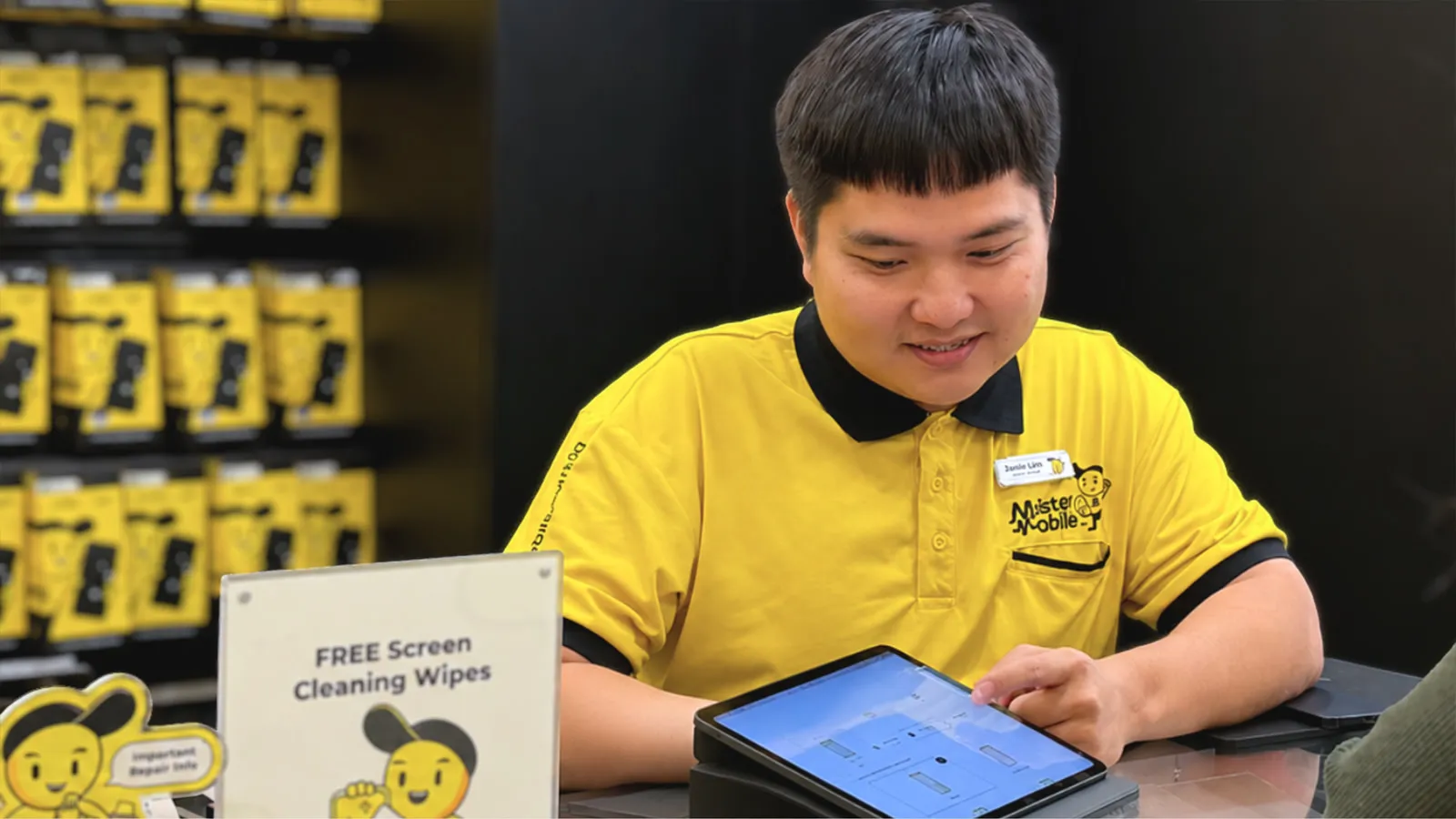
Happy Fish is a swim school with 10 outlets in Singapore and 11 in Malaysia, teaching more than 8,000 students. It runs its WhatsApp broadcasts from Volty, which now handles more than 1,800 of the school's messages a day. Mister Mobile, a smartphone retailer, sends WhatsApp broadcasts to customer segments automatically, and reports about 120 man-hours of manual work saved every day across data consolidation, customer responses and marketing broadcasts.

Send your first blast in Volty
Connect your WhatsApp number to Volty, upload a spreadsheet or build a segment, and send an approved template with the replies going to your shared inbox and AI agent. See how Volty broadcasts work, and check pricing for plans in your country, which can change. Meta bills its message fees to your own WhatsApp Business account.
Frequently asked questions
What is a WhatsApp blast?
A WhatsApp blast is one message sent to many customers at once, such as a promotion, a reminder or a notice. Each person receives it as a private one-to-one chat. The term is common in Malaysia, Singapore and Indonesia, where other markets say WhatsApp broadcast or bulk messaging.
Is WhatsApp blasting allowed?
Yes, through the WhatsApp Business API with message templates Meta has approved, sent to customers who agreed to hear from you. Blasting from an ordinary WhatsApp or Business app account with an unofficial tool breaks WhatsApp's terms and often ends with the number banned.
How much does a WhatsApp blast cost in Malaysia?
Meta charges per delivered template message. Under its rate card effective 1 October 2026, a marketing message to a Malaysian number costs US$0.0860 and a utility message US$0.0140, so a promotion to 3,000 Malaysian customers costs about US$258 in Meta fees. Your software subscription is separate, and Meta can change rates each quarter.
How many WhatsApp messages can I blast in a day?
Meta caps how many unique people a business can message outside the 24-hour customer service window in a moving 24 hours. A new business portfolio starts at 250 and can rise to 2,000, 10,000, 100,000 and then unlimited as its quality and volume qualify. The software you use cannot raise the cap.
Can I send a WhatsApp blast to people who have not saved my number?
Yes, on the WhatsApp Business API, as long as each person opted in to messages from your business. A broadcast list in the free WhatsApp Business app only reaches contacts who saved your number, which is why it suits small lists of existing customers.